
AI Studio
Jewelry imagery, considered from every angle.
Studio Sabban&Co is a creative production studio based in Beverly Hills, specializing in digital jewelry photography, realistic product imagery, and visual content for jewelry brands. Designers, photographers and technical specialists bring their experience together around the details of each piece.
Three ways to begin
Share CAD files, existing photographs or video references. Each starting point offers different information about the jewelry. We review the geometry, visible details, materials and intended use before developing the visual direction. When the references are sufficient, the work can proceed remotely without shipping the jewelry.
Materials, light and consistency
Gold, gemstones, pearls and mother-of-pearl each respond differently to light. We consider metal color, reflections, stone placement, shadows and composition together. A coordinated set of views should help a customer understand a piece while maintaining a consistent presentation across the collection.
From product pages to campaigns
The final scope can include clean product photographs, multiple viewing angles, collection imagery and lifestyle compositions. Output dimensions, crop and file formats are agreed around the project. Our team can help identify which of your existing materials provide the most useful starting point.
Selected jewelry imagery
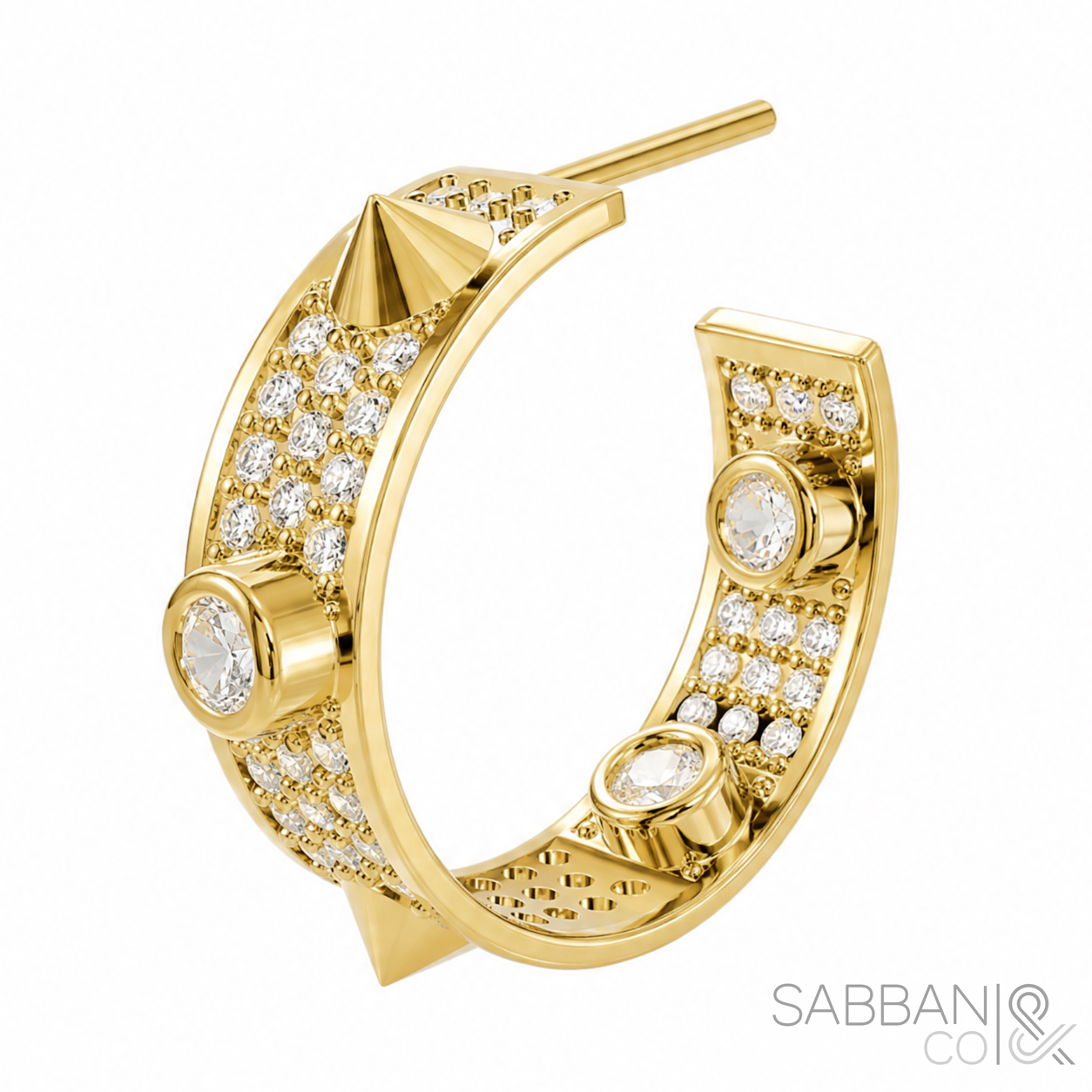
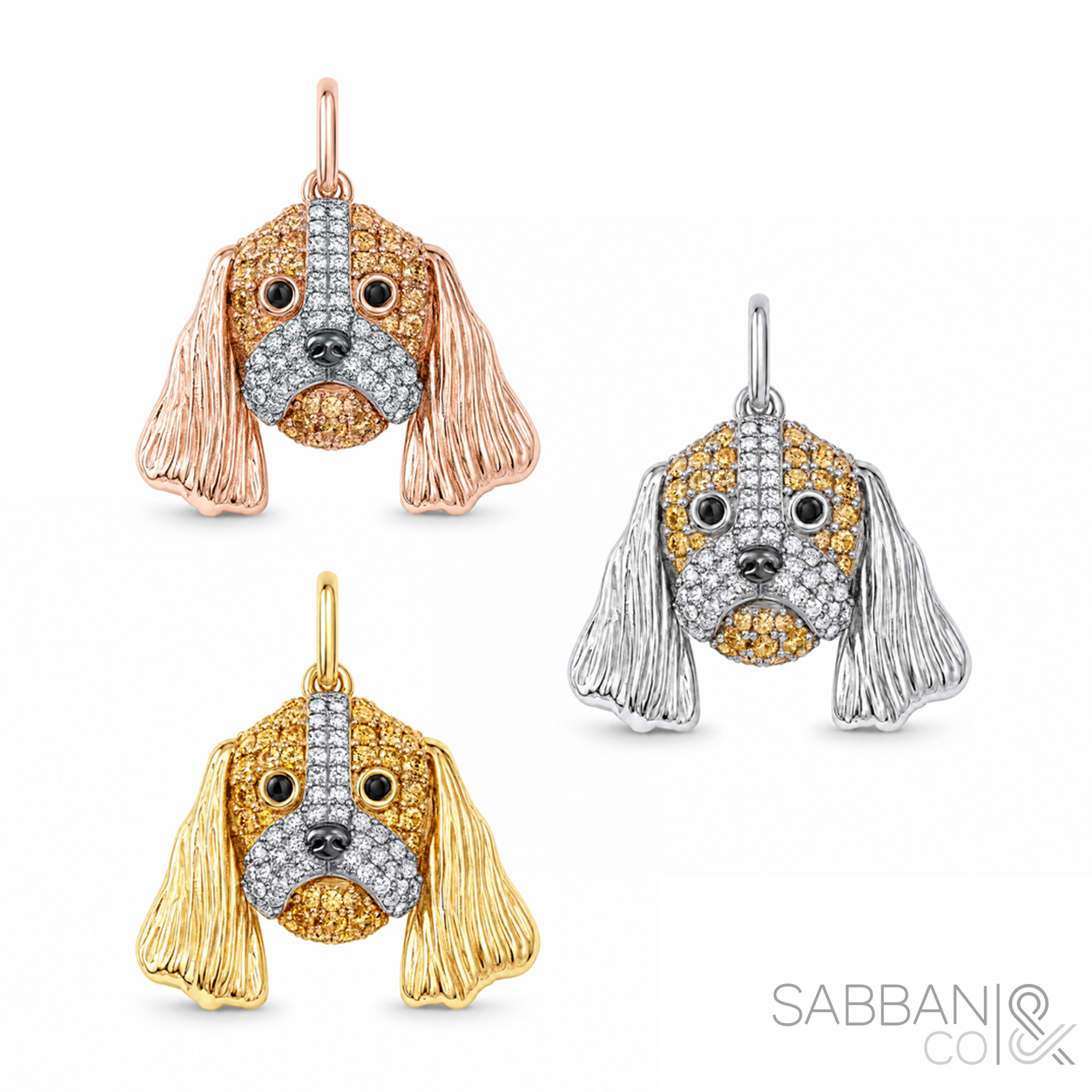
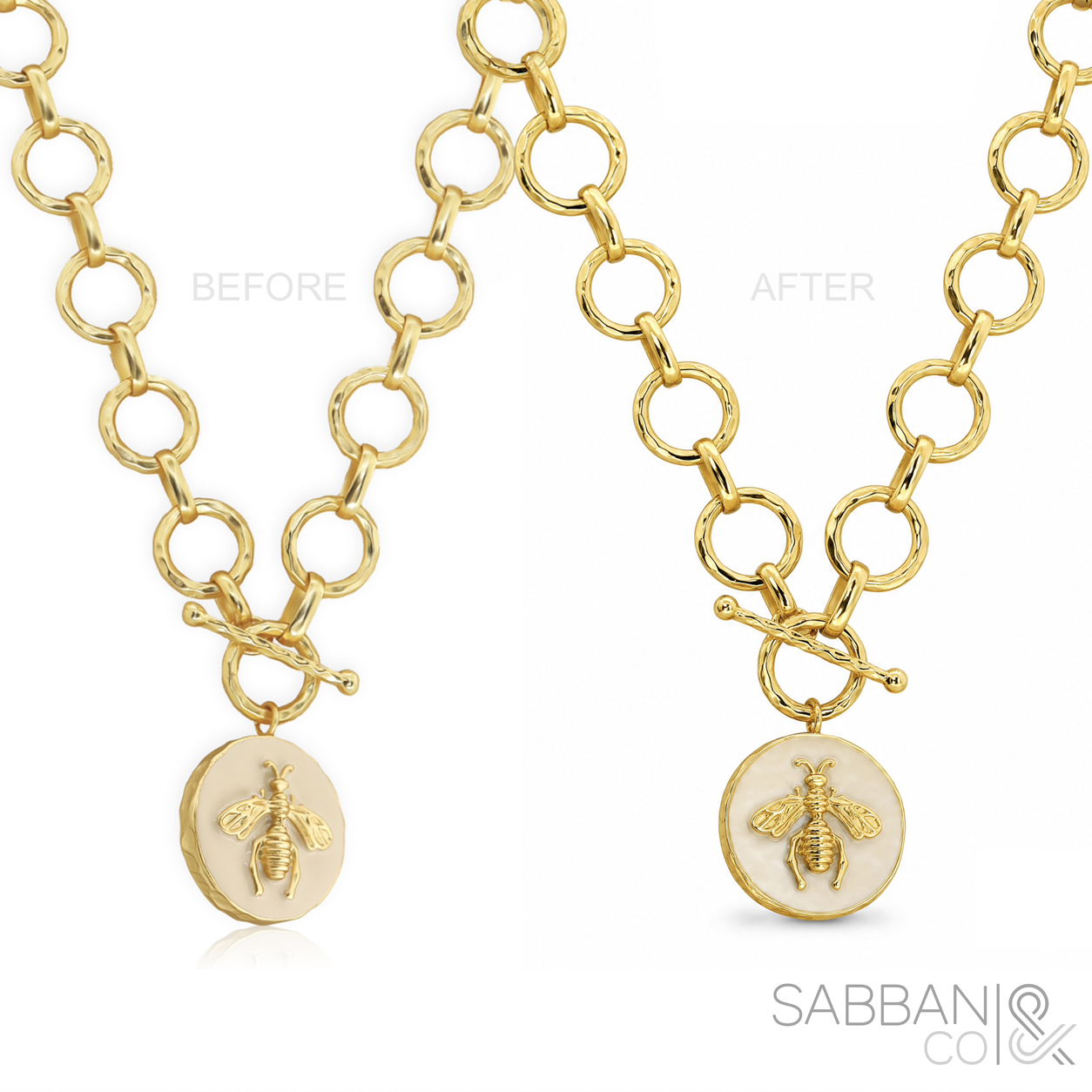
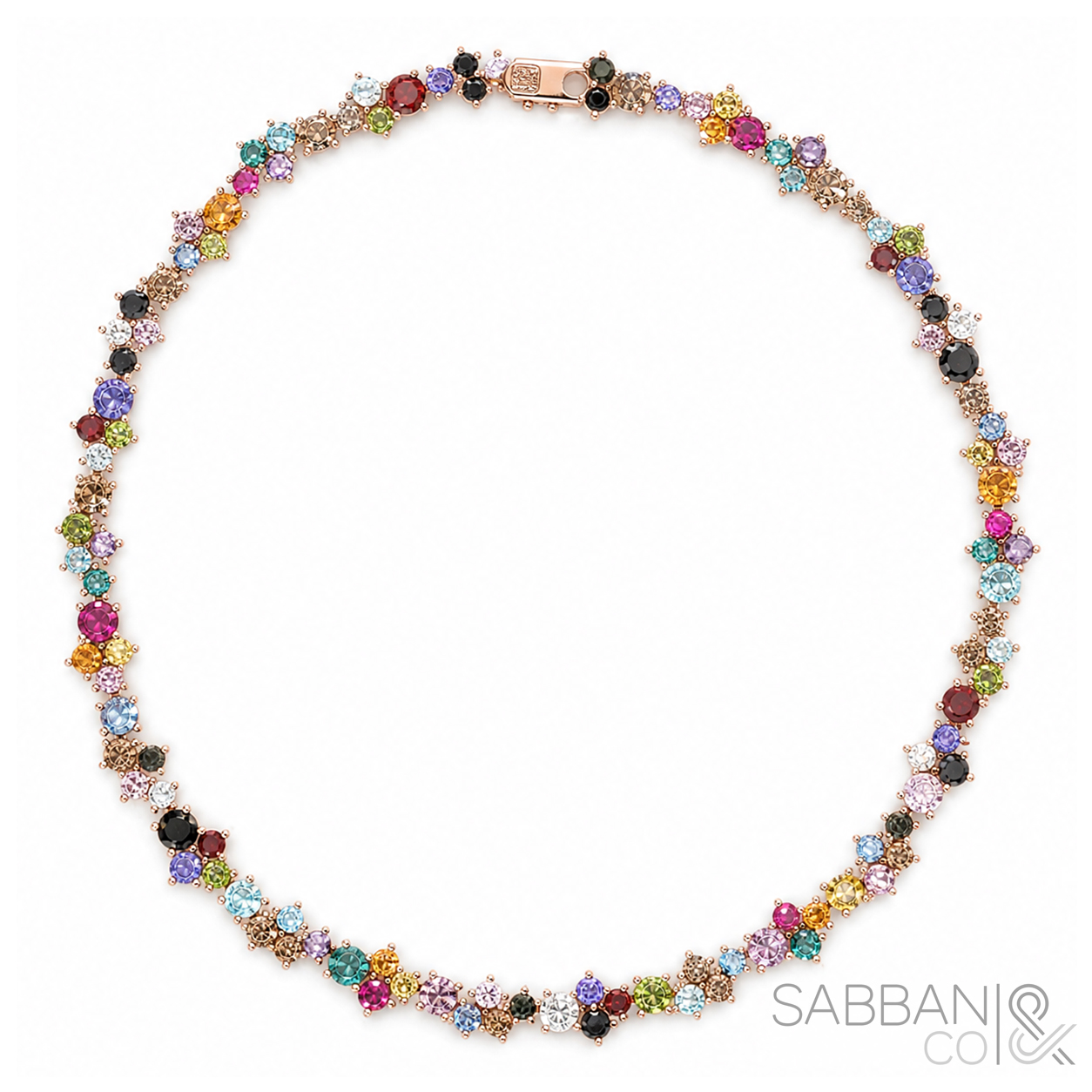

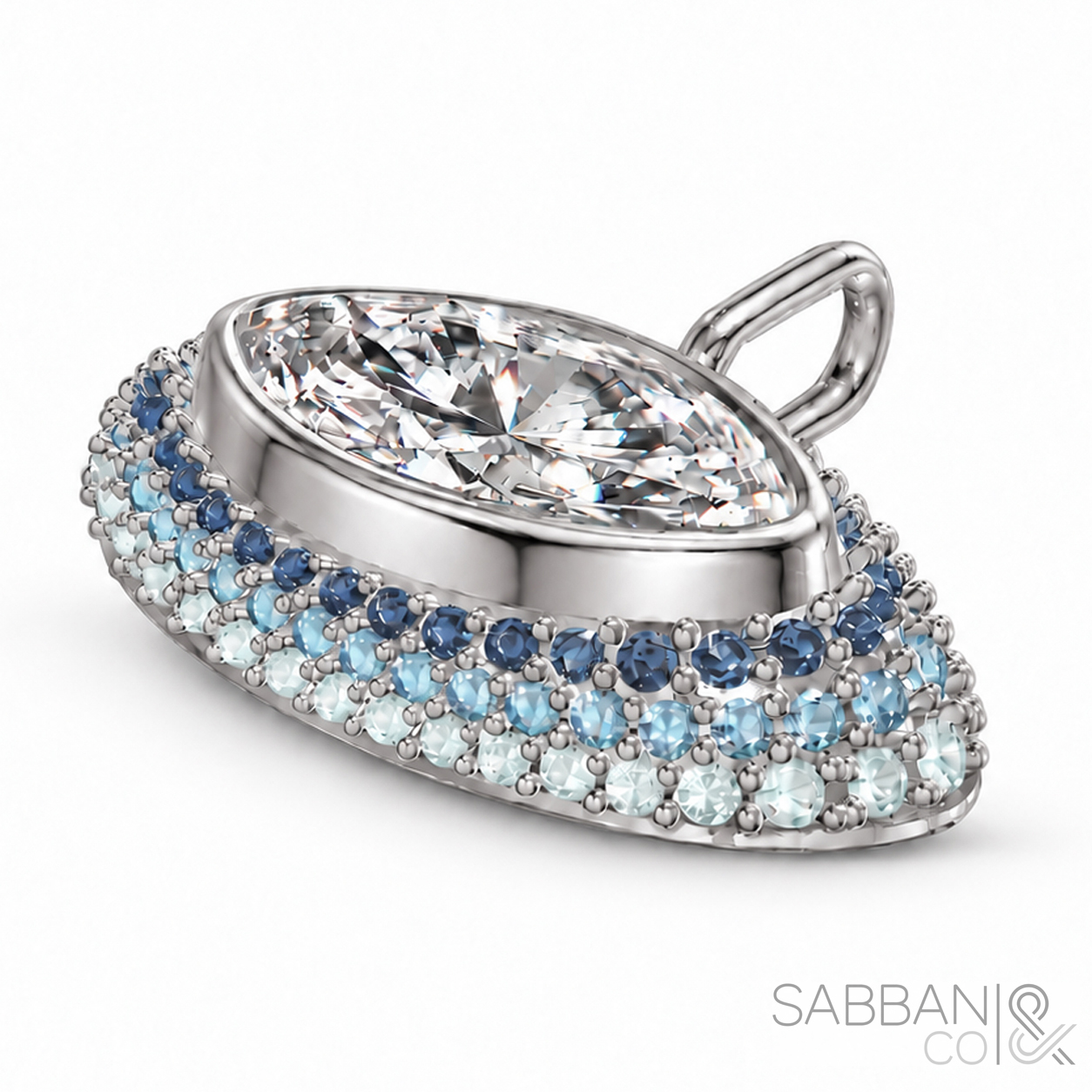
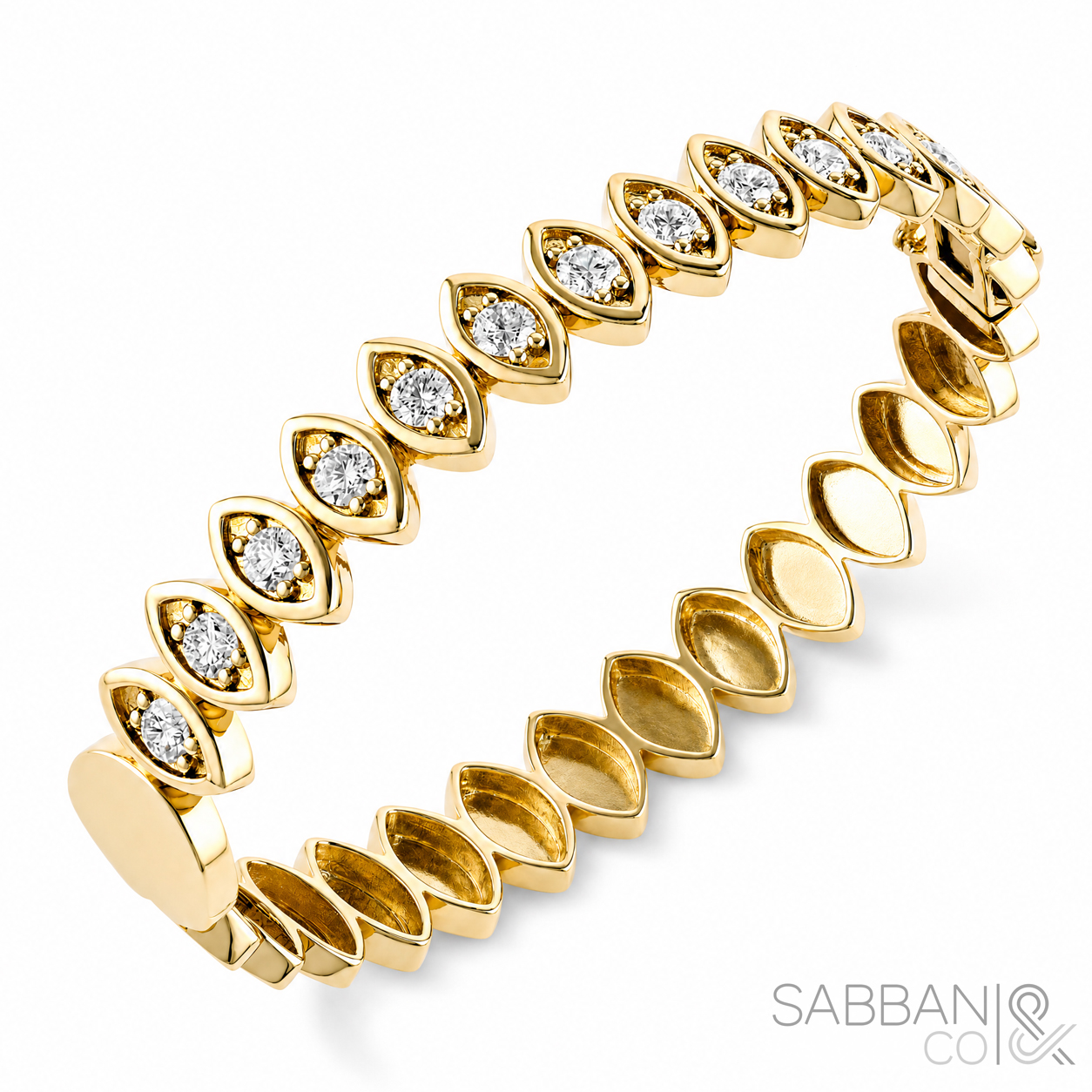
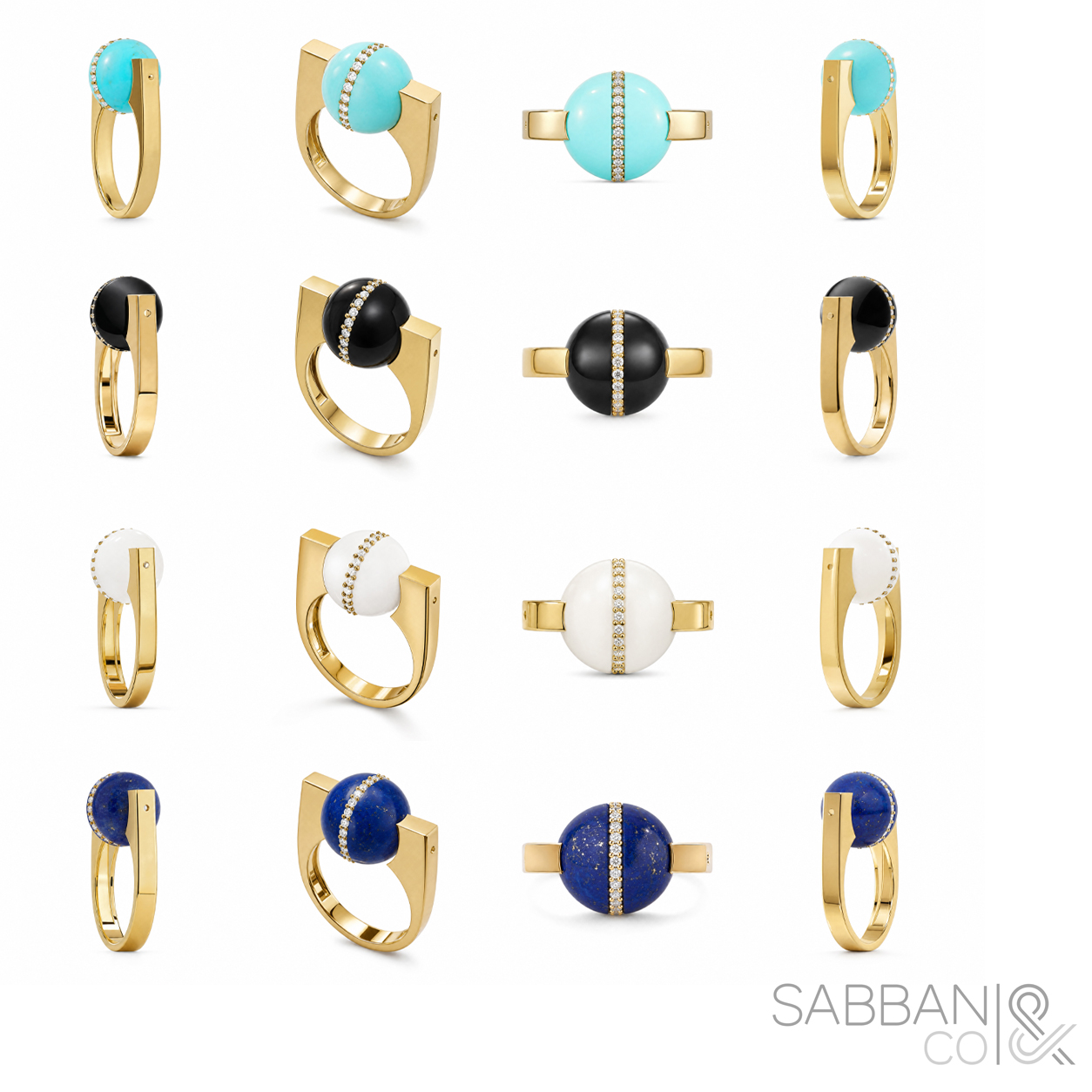
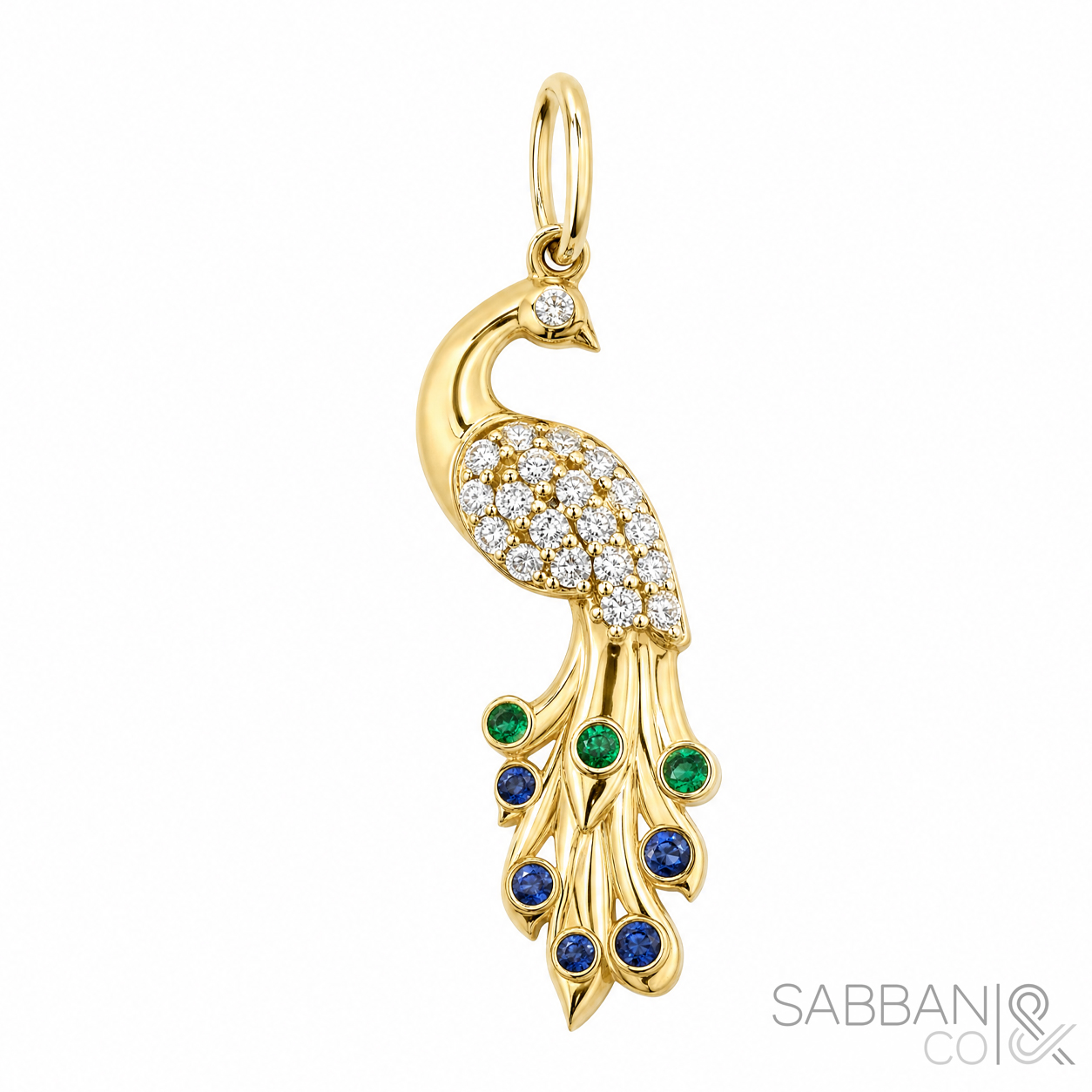
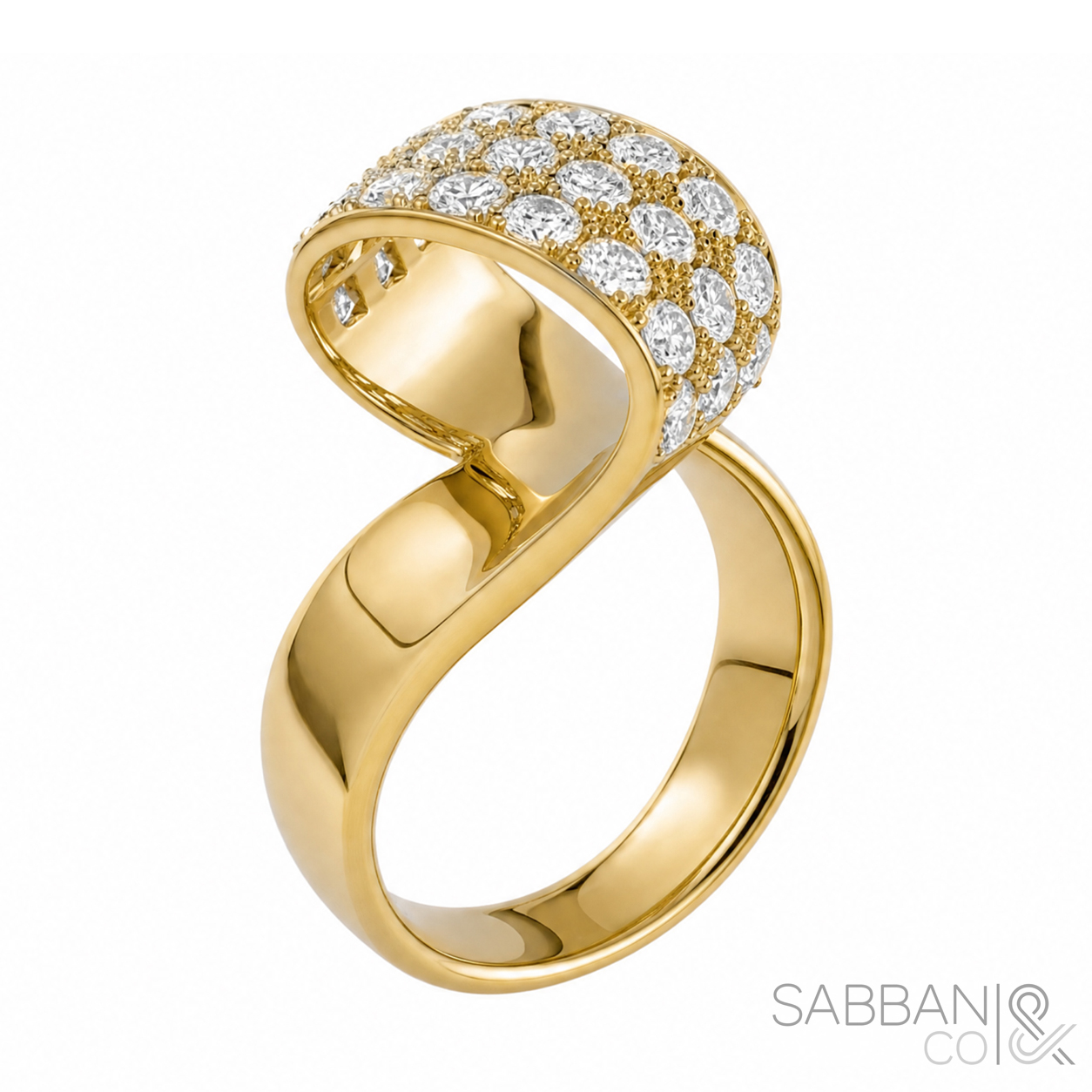
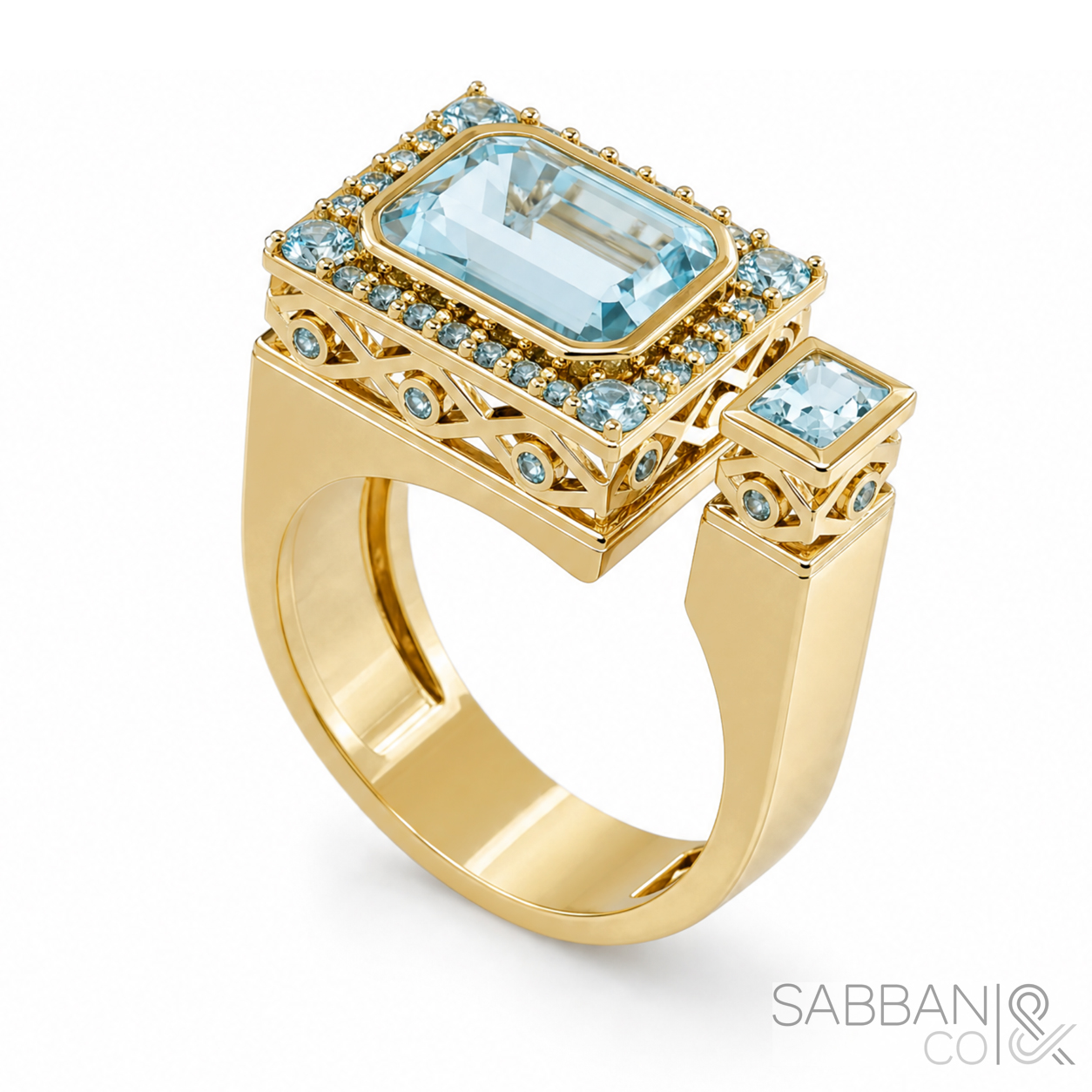
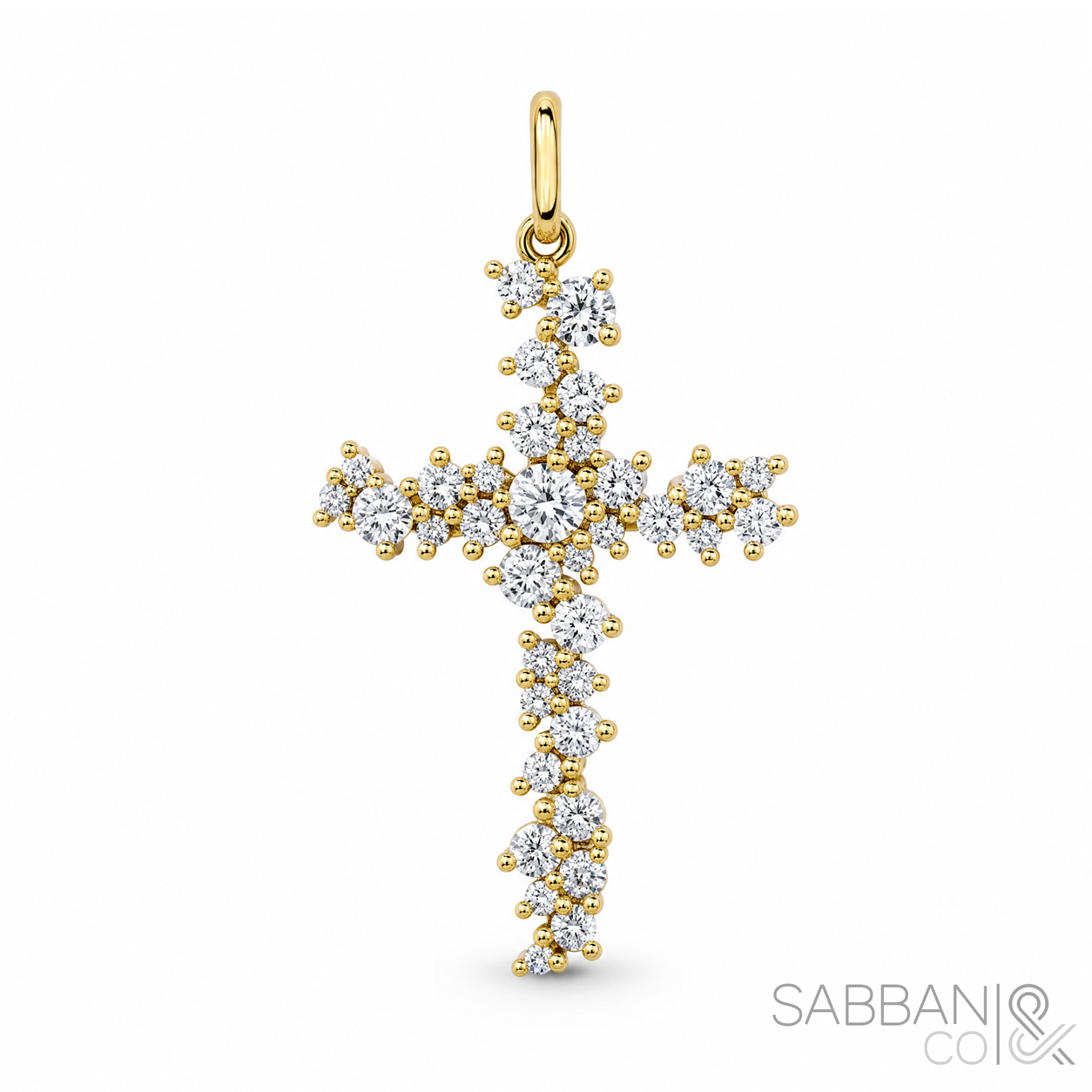
Our jewelry production process in detail
Studio Sabban&Co is a creative production studio based in Beverly Hills, specializing in digital jewelry photography, realistic product imagery, and visual content for jewelry brands. Our team brings together graphic design, photography, art direction, and technical expertise to help brands present their collections with clarity, elegance, and consistency. Using photographs, videos, and 3D design files, we develop images that communicate the beauty and craftsmanship of each piece across online stores, websites, catalogs, and marketing campaigns.
Our system was created by graphic designers with 20 years of professional experience, working alongside photographers and technical specialists. Each discipline contributes a different perspective. Our designers understand composition, visual identity, and the details that make an image feel refined. Our photographers bring their understanding of light, reflections, materials, and product presentation. Our technical specialists connect that creative knowledge with 3D visualization and artificial intelligence, shaping a coordinated production process.
Together, this expertise has shaped a complete system built to perfect the presentation of jewelry from every angle. From the first review of a design to the final assessment of its images, our approach considers how geometry, materials, lighting, shadows, and composition work together. Every stage serves the same goal: a polished, realistic presentation that respects the product and feels consistent with the brand behind it.
We understand that jewelry represents years of creativity, craftsmanship, and investment. The curve of a pendant, the thickness of a chain, the arrangement of gemstones, and the finish of a clasp are all part of its identity. Our role is to make those qualities visible. We approach each project with attention to the details that distinguish your collection, so the visual direction grows from your products and your brand.
The process begins with a conversation about what you need. You may be preparing a new collection, improving existing product pages, refreshing older images, or developing content for a campaign. We consider the available references, the intended audience, and where the images will appear. You do not need to arrive with technical expertise or a perfectly organized production brief. Our team can help identify which materials are useful and explain the next steps clearly.
Our workflow has three main starting points: CAD files, photographs, and video. Each provides different information about the jewelry, and our team adapts the creative process accordingly. Before developing the images, we establish the intended materials and finishes, examine the visible construction, and determine which views will best explain the piece. If a detail needs clarification, additional references help guide the work.
With 3D files, including Rhino 3DM and STL models, the design geometry provides the starting point. These files help establish proportions, setting structure, and the relationships between individual components. The model can be inspected and positioned before the image is developed. Materials are defined from the product specifications and references, giving the team a basis for working on metal color, gemstone appearance, and lighting. This connects the technical design with a more expressive studio presentation.
With photographs, we work from the visible product to refine the lighting, background, tonal balance, reflections, and overall composition. Existing images can provide a useful starting point even when their presentation does not yet match the quality of the jewelry. The source still determines how much detail can be recovered, and our team can explain when another photograph would help. The priority is to develop a strong, credible image grounded in the actual piece.
Video can reveal details that a single photograph does not show. As the jewelry moves, selected frames may provide references for its front, sides, back, and underside. Our team uses those views to understand the construction and select useful product angles. A rear view can be particularly valuable when it reveals a clasp, engraving, brand mark, or the craftsmanship behind a setting.
Realistic materials are essential to our visual approach. Yellow gold, rose gold, and white gold each need a distinct balance of color, highlights, and reflections. Our team works on each requested metal version individually, with attention to keeping composition and detail consistent. Polished gold should have smooth transitions that describe its shape. White gold needs a convincing metallic finish, rose gold needs balanced warmth, and yellow gold needs depth without losing the finer features of the design.
Gemstones and other jewelry materials receive the same care. Diamonds, colored diamonds, sapphires, rubies, emeralds, pearls, and mother-of-pearl all require different visual treatment. We pay attention to stone color, arrangement, visible count, and setting details, using the supplied references to guide the result. Diamonds benefit from controlled sparkle and clear facets. Colored stones need depth and accurate hues. Pearls and mother-of-pearl depend on softer highlights and subtle surface variation. These decisions help each material retain its own character.
For product pages and catalogs, a clean white background creates a clear, consistent presentation. Lighting reveals the form of the jewelry, while a carefully placed shadow gives the piece weight and a natural relationship to the surface. Our team considers shadow direction, softness, and intensity alongside reflections and contrast. The aim is to create an image that feels refined and believable while keeping attention on the product.
Every viewing angle has a purpose. Depending on the design and available references, a set may include a three-quarter view, a front view, side views, and views of the back or underside. Each image should reveal something useful about the piece. Our team pays attention to scale, framing, material color, and lighting across the set, helping customers explore the jewelry through images that feel connected and consistent.
That consistency extends to the full collection. Differences in brightness, color, crop, or apparent size can make a product catalog feel uneven. We work toward a coherent visual standard across the selected pieces and finishes. A rose gold version deserves the same attention to sharpness and detail as its yellow gold counterpart. A small charm should feel as carefully presented as a more elaborate design. This supports a recognizable brand identity across the collection.
Our production process combines technology with human review. Designers, photographers, and technical specialists contribute complementary judgments about appearance and product accuracy. The images are assessed against the available references, with attention to proportions, stone placement, metal finish, and recognizable construction details. When an area needs refinement, the correction is followed by another review of the whole piece. This process is intended to identify discrepancies and protect the details that matter to your brand.
The same creative direction can extend into lifestyle and campaign imagery. This may include jewelry being worn, closer compositions that keep the piece prominent, or elegant everyday settings. Our approach considers natural skin texture, believable light, the scale of the jewelry on the body, and how it sits or moves. The atmosphere can become more expressive while the product remains the reference throughout the creative work.
For clients, a major practical advantage is the ability to start with digital materials without shipping jewelry to the studio. When the supplied files and references are sufficient, production can proceed remotely. This reduces the logistics associated with moving valuable pieces and arranging a physical shoot. Depending on the project, the digital workflow can also make additional views, updates, and coordinated product variations more efficient to develop.
We want clients to feel informed and comfortable throughout the process. Your specifications and references guide the work, and our team can explain how the proposed approach fits your intended use. If you are unsure whether your current photos, videos, or 3D files are suitable, start by showing us what you have. We can help identify the most useful starting point and any additional information needed to move forward with confidence.
Final images are prepared around the needs of the project, including the intended crop, resolution, and file format. They can support product pages, collection presentations, email campaigns, social content, and sales materials. Our rendering workflow includes square 2048-pixel PNG imagery and downloadable sets of approved views. For print projects, image dimensions and resolution are considered against the final format so that the delivery fits its intended application.
Whether you are developing your first collection or updating an established catalog, our team welcomes the opportunity to learn about your products. Share a few references and tell us what you would like to improve. We can discuss the visual direction, clarify the scope, and explain how our process could support your brand. Contact Studio Sabban&Co at Studio@sabbanand.co to start the conversation and explore the possibilities for your collection.